

A missed client email, a server hiccup before payroll, a staff member locked out of Microsoft 365 – small and mid-sized businesses rarely experience IT issues at convenient times. That is why an outsourced IT department for SMB organizations has become a practical operating model, not just a budget alternative. For many growing companies, the real question is no longer whether outside IT support is acceptable. It is whether relying on piecemeal help is holding the business back.
When technology runs well, people barely notice it. When it does not, it affects everything at once – productivity, customer service, security, and confidence. Business owners and operations leaders often feel this pressure long before they have the scale to justify a full in-house IT team. They need dependable support, but they also need planning, security, cloud oversight, backup protection, and someone who can see the bigger picture.
What an outsourced IT department for SMB really means
Many companies hear the phrase and think it means a helpdesk they can call when something breaks. That is part of it, but it is not the full value. A true outsourced IT department acts more like an extension of leadership and operations. It handles daily technical issues while also managing the systems, policies, and improvements that keep the business stable over time.
That distinction matters. Break-fix support solves isolated problems after the damage is done. An outsourced department is structured to reduce the number of problems in the first place. That includes proactive monitoring, routine maintenance, user support, device oversight, cybersecurity controls, backup checks, cloud management, and strategic guidance tied to business goals.
For a tax and accounting firm, that may mean protecting sensitive client data and keeping staff productive during peak filing periods. For an agency, it may mean securing remote collaboration and reducing downtime across creative and client-facing tools. For a preschool or education-focused organization, it may mean reliable access to systems, secure records, and fast response when staff cannot afford delays.
Why SMBs choose this model instead of building in-house
Hiring internally sounds straightforward until you map the actual workload. One person may be able to reset passwords, onboard employees, and troubleshoot laptops, but that does not mean they can also manage cybersecurity, cloud optimization, compliance concerns, backup strategy, vendor coordination, and long-term planning. Even a capable internal generalist can become stretched thin.
That is where outsourcing becomes attractive. Instead of relying on one employee with limited bandwidth, SMBs gain access to a broader bench of expertise. They get support coverage, process consistency, and a service structure designed to keep systems healthy. The business is not dependent on one person being available, having the right specialty, or staying with the company long term.
Cost is part of the decision, but it should not be oversimplified. Yes, outsourcing can be more affordable than hiring multiple internal roles. But the stronger reason is usually operational maturity. An SMB needs predictable support, documented processes, security standards, and technology planning before it needs a large payroll commitment.
There are trade-offs. Some organizations still benefit from an internal IT coordinator or technical point person, especially if they have specialized line-of-business applications or high volumes of on-site requests. In many cases, the best fit is not outsourced versus in-house. It is outsourced leadership and support paired with light internal coordination.
The business outcomes that matter most
A good outsourced IT department should improve daily operations in visible ways. The first is reduced downtime. When systems are monitored, patched, and supported proactively, teams spend less time waiting on fixes and more time doing their actual work.
The second is stronger security. SMBs are frequent targets because they often lack consistent controls. A managed approach can improve email security, device management, access policies, backup integrity, and user awareness. That will not remove all risk, but it does lower exposure and make recovery more realistic if something goes wrong.
The third is better employee experience. Staff do not want to chase vendors, guess at software issues, or wait days for basic help. Responsive support improves morale more than many leaders expect. It also protects productivity during onboarding, role changes, and everyday hiccups.
The fourth is clearer planning. Technology decisions are expensive when made reactively. Businesses benefit from a partner that can advise on hardware refresh cycles, Microsoft 365 use, cloud migration, licensing, automation opportunities, and business continuity planning before problems become urgent.
What services should be included
If you are evaluating providers, look beyond a generic promise of support. An outsourced IT department for SMB needs should include the fundamentals and the forward-looking pieces.
At the foundation, that means helpdesk support, device and user management, network oversight, patching, endpoint protection, backup and disaster recovery, and vendor coordination. Without those basics, the provider is not really functioning as a department.
Above that foundation, the more valuable providers add cloud services, cybersecurity guidance, IT consulting, and process improvement. This is especially important for businesses using Microsoft 365, Azure, or a mix of cloud applications that have grown over time without much governance.
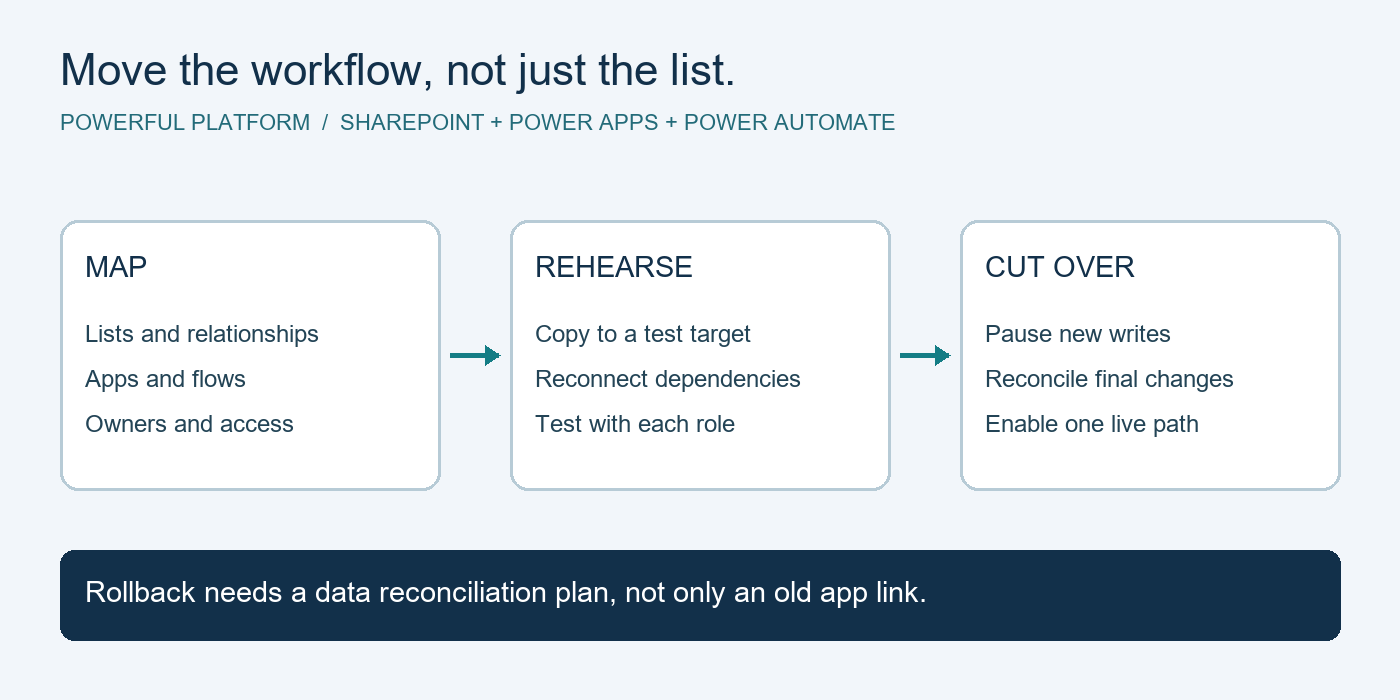
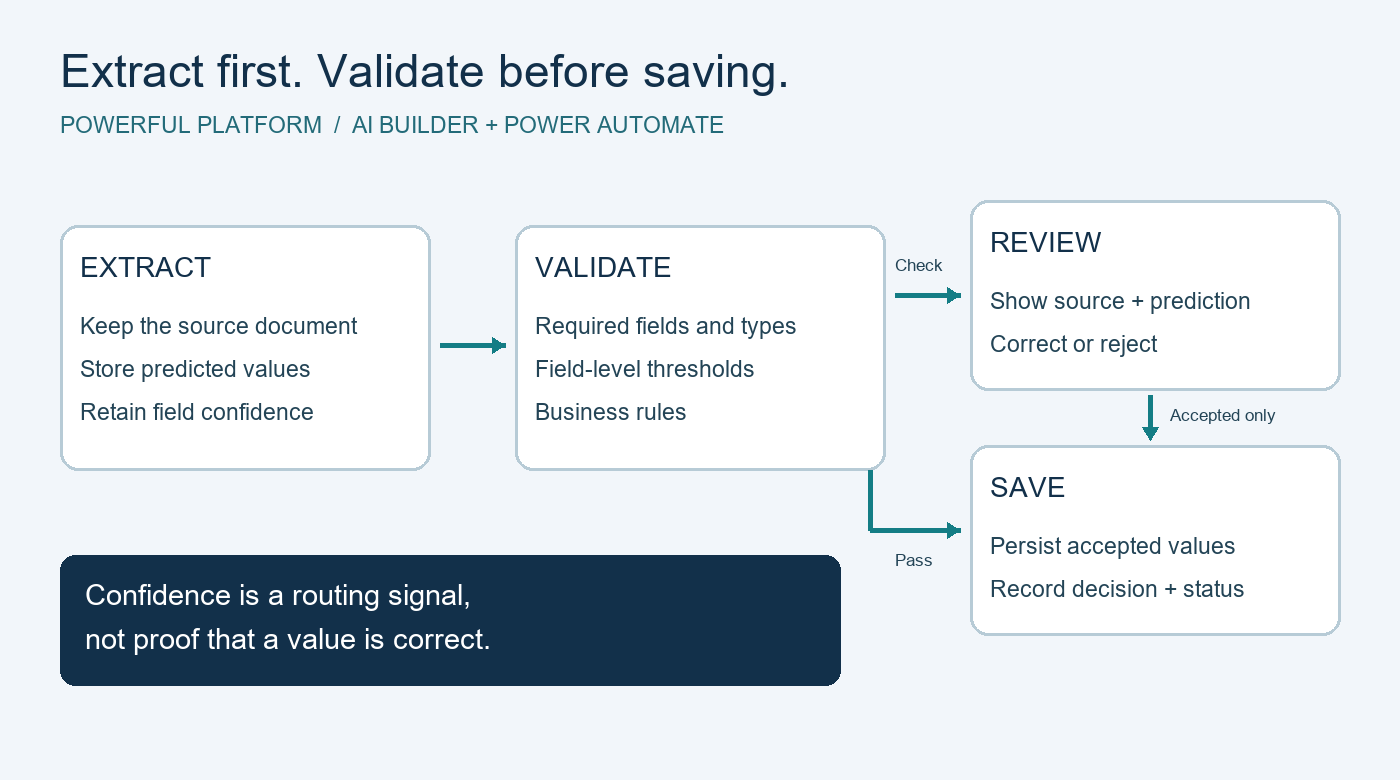
Automation is another area worth paying attention to. Many SMBs lose time not because of major outages, but because of repetitive manual work – approvals, file handling, reporting steps, onboarding tasks, or disconnected systems. A provider that can support both infrastructure and workflow automation brings a different level of business value. That is often where technology shifts from necessary overhead to a genuine productivity driver.
Signs your current IT setup is no longer enough
Most companies do not wake up one morning and decide to outsource their IT department. The decision usually follows a pattern. Support is inconsistent. Small issues pile up. Security concerns become harder to ignore. Staff work around recurring problems because no one has time to fix root causes.
You may also notice that technology decisions are being made without a plan. Licenses multiply, cloud storage gets messy, backups are assumed rather than verified, and nobody owns the roadmap. This creates hidden risk. Things appear manageable until growth, turnover, or an incident exposes the gaps.
Another sign is leadership fatigue. If owners or operations managers are still acting as the default IT coordinator, the business is paying an invisible tax. Their time should go toward clients, staff, and growth, not tracking printer issues, chasing software vendors, or wondering whether the firewall is current.
How to choose the right outsourced IT partner
The strongest providers do more than answer tickets. They communicate clearly, document the environment, recommend improvements, and take responsibility for ongoing care. That customer-first approach is what turns outsourced support into Worry-Free IT.
Ask practical questions. How fast do they respond? What is included versus billed separately? How do they handle cybersecurity, backups, and vendor management? Do they offer strategic guidance or just issue resolution? Can they support your Microsoft environment in a meaningful way? Do they understand the operational pressures of a growing SMB, not just the technology itself?
Also pay attention to how they talk. If every answer is loaded with jargon, that is usually a warning sign. Your IT partner should be able to explain risk, cost, and options in business terms. You should come away with more clarity, not more confusion.
For businesses that want stability and room to grow, the right partner usually feels less like outsourcing and more like adding a dependable layer of leadership. That is the model Powerful Platform is built around: not one-off fixes, but ongoing ownership of the systems that support your team every day.
A smarter way to support growth
Growth puts pressure on technology long before most companies are ready for a full internal department. More users, more devices, more cloud tools, and higher expectations from clients all raise the stakes. An outsourced IT department gives SMBs a way to meet that pressure with structure, accountability, and expertise.
The value is not just in solving technical problems. It is in creating an environment where your business can operate with fewer interruptions, better security, and more confidence in the systems behind the work. If your team is spending too much energy managing technology instead of benefiting from it, that is usually the clearest sign it is time for a different model.
A reliable IT partner should make your business feel more prepared, more productive, and less distracted by the next avoidable issue.
Put a practical IT support plan in place
Explore our managed IT services for Kitchener-Waterloo businesses, including Microsoft 365, employee support, security, backup and automation. Start with a free 30-minute IT & Automation Assessment to discuss recurring problems and priority improvements.

Leave a Reply