

A new employee should not spend their first morning waiting for a laptop, chasing passwords, or wondering which systems they are allowed to use. Those delays create a poor first impression, slow down the manager, and can leave sensitive accounts exposed. An employee onboarding automation checklist gives your business a dependable process for getting people productive while keeping IT, HR, and security responsibilities clear.
For small and medium-sized businesses, the goal is not to automate every human interaction. A warm welcome, role-specific training, and manager conversations still matter. Automation should handle the repeatable work behind the scenes: account creation, approvals, equipment preparation, access assignment, notifications, and documentation.
Why onboarding automation needs more than a task list
A traditional onboarding checklist often lives in an email thread or spreadsheet. It may tell someone to “set up email” or “order a computer,” but it does not confirm who owns the task, when it is due, or whether it was completed correctly. If one person is out of the office, the process can stall.
Automation turns the checklist into a coordinated workflow. When HR confirms a start date, the process can notify the right people, create a service ticket, collect approvals, and prepare standard access based on the employee’s role. The result is fewer manual handoffs and a more consistent experience for every new hire.
There is a balance to maintain. A five-person company may not need a complex workflow platform for every step. A growing accounting firm, agency, preschool, or professional services business with recurring hires and sensitive data usually benefits from more structure. The right approach depends on hiring volume, the number of systems involved, compliance needs, and how costly an access mistake would be.
Employee onboarding automation checklist
Use the following checklist as the foundation for a process that is repeatable, secure, and easy to manage. Assign an owner and due date to every item, even when the task is automated. Automation handles execution, but accountability still belongs to people.
1. Start with a complete new-hire record
The workflow should begin with one reliable source of information, typically your HR system or an approved onboarding form. Collect the employee’s legal name, preferred name, personal contact details, start date, job title, department, manager, work location, employment type, and equipment requirements.
Role and department data matter because they drive access decisions. An administrative coordinator may need Microsoft 365, a phone system account, and shared calendar access. A finance employee may need approved accounting applications and secure file locations. Avoid asking IT to interpret vague requests such as “give them what the last person had.” That shortcut often creates excessive permissions.
2. Build approvals into the workflow
Not every new hire should receive the same access automatically. The employee’s manager should approve role-specific applications, while IT or a security owner should review requests involving financial platforms, client records, administrative privileges, or other sensitive systems.
Set rules for standard versus exception access. Standard access can be provisioned automatically after the required data is submitted. Exceptions should create an approval request and remain pending until a designated owner responds. This protects the business without forcing routine onboarding through unnecessary delays.
3. Prepare identity, email, and core collaboration tools
For many businesses, Microsoft 365 is the center of daily work. Create the user account with a consistent naming convention, assign the appropriate license, configure the mailbox, add the employee to the correct Teams channels and Microsoft 365 groups, and apply multi-factor authentication requirements.
Do not treat account creation as the finish line. Confirm that the employee can sign in, recover their account if needed, and access the tools required for their role. A well-designed workflow can send a secure welcome message with first-day sign-in instructions without sending passwords through email.
4. Provision devices before the start date
A new laptop should arrive configured, protected, and ready for productive work. Your process should identify whether the employee needs a laptop, monitor, dock, headset, mobile device, or specialized equipment. It should also confirm shipping or pickup arrangements for remote and hybrid hires.
Before a device is assigned, install required applications, apply operating system updates, enroll the device in management tools, enable endpoint protection, and confirm encryption and backup policies. Record the asset tag, serial number, assigned user, and replacement status in your asset inventory. This information becomes essential when employees move roles or leave the company.
5. Apply access based on roles, not individual requests
Role-based access is one of the most effective ways to reduce onboarding effort and security risk. Instead of manually adding each employee to applications and folders, define access packages for common positions. A client services role, for example, may receive a CRM account, a departmental SharePoint site, and a standard distribution list.
Keep these packages practical and limited. Grant the minimum access needed for the employee to perform their job, then add approved exceptions separately. It is easier to expand access later than to investigate why a new employee could view payroll files, client financial information, or former employees’ documents.
6. Create the helpdesk and training handoff
Automation should notify the people who need to support the new hire. The hiring manager needs a confirmation of what will be ready and any actions still pending. The new employee needs clear instructions for their first day. IT needs a ticket or task record that tracks completion and exceptions.
Training should also be part of the workflow. At a minimum, schedule security awareness training, explain password and multi-factor authentication expectations, and provide guidance on approved file-sharing and communication tools. For organizations handling client information, include the specific data handling rules that apply to the role.
7. Verify completion on day one and after week one
A workflow marked “complete” does not always mean the employee is fully productive. On the first day, confirm that the new hire can sign in, use required applications, access the correct files, and contact support. A short manager check-in often catches issues that automated systems cannot see, such as missing project access or a poorly configured shared mailbox.
Schedule a second review after the first week. This is the right time to remove access that was added temporarily, address missed requests, and confirm that the employee has completed required training. It also gives your team useful feedback on where the onboarding process still creates friction.
Design the workflow around exceptions
The best onboarding workflows make routine work easy while making exceptions visible. A new employee who starts next Monday in a standard role can move through a predictable process. A contractor starting tomorrow, an employee needing access to a regulated system, or a remote hire requiring expedited shipping needs a different path.
Document those paths rather than relying on someone’s memory. Define who can approve late requests, how urgent equipment needs are handled, and when access must wait for background checks or signed agreements. This avoids the common problem of bypassing security controls simply because a manager needs someone working quickly.
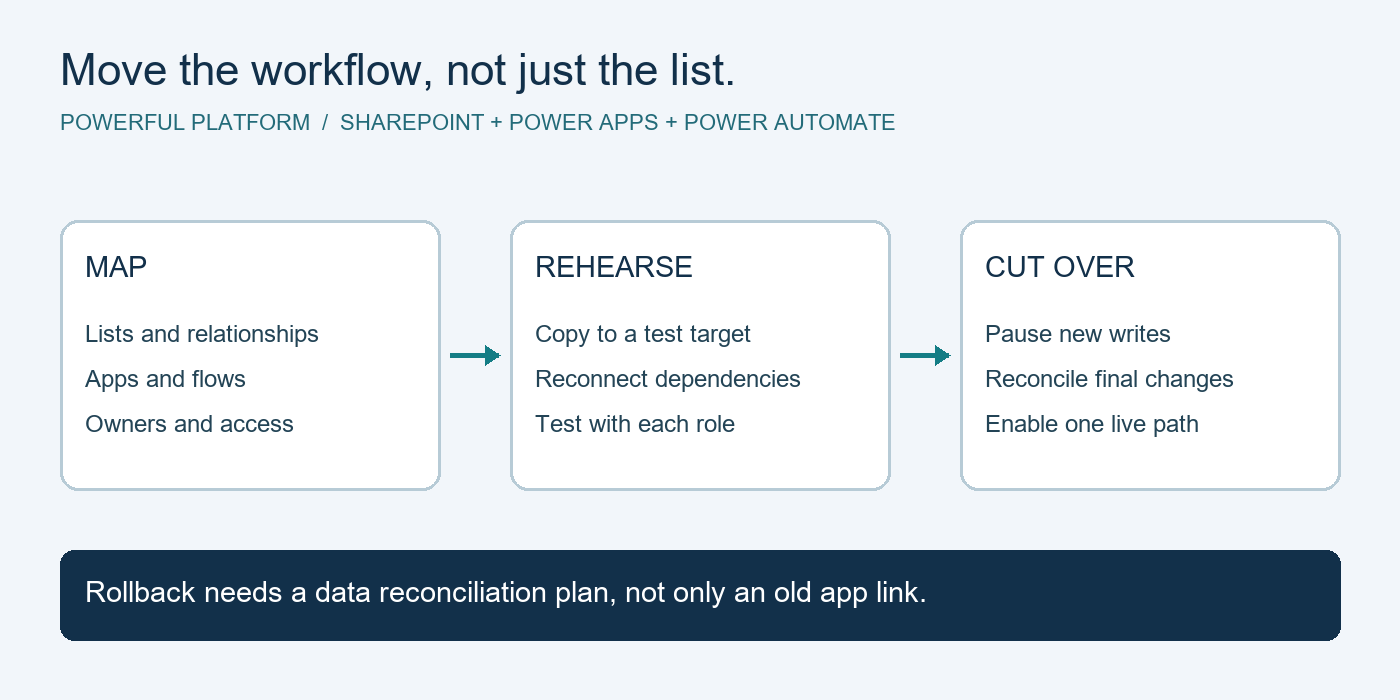
Microsoft Power Automate can be useful for coordinating forms, approvals, notifications, and task creation across Microsoft 365. However, a tool alone will not fix unclear ownership or inconsistent access rules. Start by mapping the current process, identifying recurring bottlenecks, and agreeing on the minimum information required before IT work begins.
Measure whether automation is improving onboarding
Track a few business-focused measures instead of collecting data for its own sake. Useful indicators include the percentage of accounts ready before the start date, time spent by IT on each onboarding request, number of first-week support tickets, overdue approvals, and access corrections made after the employee starts.
If new hires regularly need manual fixes, investigate the pattern. The issue may be an incomplete HR form, an outdated role template, unclear manager approval, or an application that does not integrate well with your identity system. Those findings are opportunities to improve both employee experience and security.
A dependable onboarding process should feel almost invisible to the new employee: their technology works, their access matches their role, and they know where to get help. Powerful Platform helps growing businesses build that kind of Worry-Free IT foundation, so every hire can begin contributing instead of waiting for technology to catch up.
Turn your next manual process into a working improvement
Explore our business process automation service to see how we scope, build and support Microsoft-powered workflows. Bring one repetitive task to your free 30-minute IT & Automation Assessment and leave with practical next steps.

Leave a Reply